


Innovating Spaces with Modern Lighting Techniques
Lighting is more than just illumination. It shapes how we experience a space, influences mood, and highlights architectural features. Over the years, lighting design has evolved dramatically, blending technology with creativity to transform environments. Today, I want to share insights into how innovative lighting techniques can elevate your projects, making spaces not only functional but truly inspiring.
The Power of Innovative Lighting Techniques in Design
When I talk about innovative lighting techniques, I mean approaches that go beyond traditional fixtures and layouts. These techniques integrate new technologies, smart controls, and creative concepts to enhance both aesthetics and performance. For example, layering light sources—combining ambient, task, and accent lighting—creates depth and flexibility in a room. This method allows users to adjust lighting based on activity or mood, which is essential in high-end architectural and interior projects.
Another exciting development is the use of dynamic lighting systems. These systems can change color temperature and intensity throughout the day, mimicking natural light patterns. This not only supports human circadian rhythms but also adds a subtle, living quality to interiors. Imagine a lobby that shifts from cool, energizing light in the morning to warm, relaxing tones in the evening. It’s a game-changer for spaces aiming to impress and comfort simultaneously.

Integrating Technology for Seamless Lighting Control
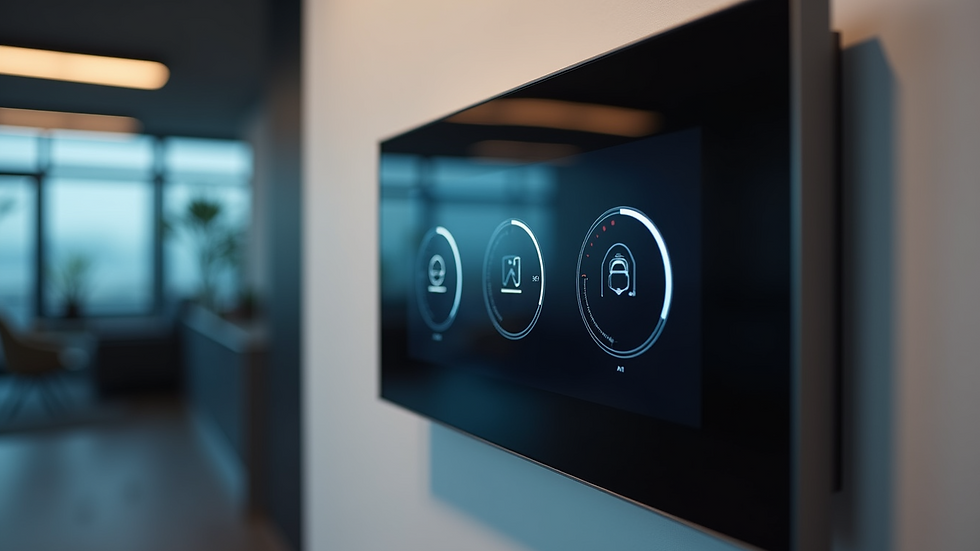
Technology is at the heart of modern lighting innovation. Smart lighting controls allow precise management of light levels, color, and timing. These systems can be programmed or controlled remotely via apps, offering convenience and energy efficiency. For architects and interior designers, this means greater flexibility in how spaces are used and experienced.
For instance, motion sensors can automatically adjust lighting in corridors or conference rooms, reducing energy waste. Dimming controls help create the perfect atmosphere for different events or times of day. Integration with building management systems ensures lighting complements HVAC and security systems, optimizing overall building performance.
One practical tip: when specifying lighting controls, consider user experience. Intuitive interfaces and clear instructions make it easier for occupants to enjoy the benefits without frustration. Also, plan for future upgrades by choosing systems that support new technologies and standards.
Sustainable Lighting Solutions for Modern Projects
Sustainability is no longer optional; it’s a priority. Innovative lighting techniques embrace energy-efficient technologies like LED and OLED lighting, which consume less power and last longer than traditional bulbs. Beyond efficiency, sustainable lighting design considers the environmental impact of materials, manufacturing, and disposal.
Daylight harvesting is a brilliant strategy that uses sensors to adjust artificial lighting based on natural light availability. This reduces energy consumption and enhances occupant comfort by maintaining consistent light levels. Reflective surfaces and light shelves can also amplify daylight penetration, reducing the need for electric lighting during the day.
When selecting fixtures, look for certifications such as ENERGY STAR or DesignLights Consortium (DLC) to ensure quality and efficiency. Additionally, consider the lifecycle cost of lighting solutions, not just the upfront price. Investing in durable, low-maintenance products pays off in the long run.
Enhancing Architectural Features with Lighting
Lighting is a powerful tool to highlight architectural details and create focal points. Innovative lighting techniques include using linear LED strips to accentuate clean lines or recessed fixtures to wash walls with soft light. These methods add drama and sophistication without overwhelming the design.
For example, cove lighting installed in ceiling recesses can produce a floating effect, making spaces feel larger and more open. Wall grazing, where light is directed at textured surfaces, emphasizes materiality and craftsmanship. Outdoor lighting also plays a crucial role in defining building facades and landscaping, enhancing curb appeal and safety.
When planning lighting for architectural features, collaborate closely with architects and interior designers. Early coordination ensures that lighting complements the design intent and integrates seamlessly with structural elements.
Practical Tips for Implementing Innovative Lighting Techniques
Bringing innovative lighting techniques to life requires careful planning and execution. Here are some actionable recommendations based on my experience:
Start with a lighting plan: Map out zones, functions, and desired effects before selecting fixtures.
Choose quality fixtures: Invest in products with good color rendering index (CRI) and consistent performance.
Incorporate flexibility: Use dimmers, color tunable lights, and multiple control options.
Test lighting scenarios: Mockups or simulations help visualize outcomes and make adjustments early.
Consider maintenance: Ensure fixtures are accessible and easy to service.
Balance aesthetics and function: Lighting should enhance usability without causing glare or discomfort.
By following these steps, you can create lighting designs that are both beautiful and practical, meeting client objectives and elevating spaces.
Lighting as a Transformative Element in Space Design
Lighting is not just a technical necessity; it’s a transformative element that shapes how we perceive and interact with spaces. Innovative lighting techniques open up endless possibilities to create environments that inspire, comfort, and perform. Whether it’s a luxury residence, a corporate office, or a public venue, thoughtful lighting design adds value and distinction.
If you want to explore how modern lighting techniques can revolutionize your projects, consider partnering with experts who understand both the art and science of lighting. With the right approach, lighting becomes a signature feature that defines your space and leaves a lasting impression.

Comments