


Transform Spaces with Architectural Lighting Solutions
Lighting is more than just a functional necessity. It’s a powerful tool that can completely transform a space, influencing mood, perception, and even the way we interact with our environment. When done right, architectural lighting solutions elevate the design of any building or interior, highlighting its best features and creating an inviting atmosphere. Today, I want to share insights on how thoughtful lighting can redefine spaces, offering practical tips and ideas that can be applied across various projects.
Unlocking the Potential of Architectural Lighting Solutions
Architectural lighting solutions are about more than just placing lights in a room. They involve a strategic approach to illumination that enhances the structure’s form, texture, and purpose. Whether you’re working on a sleek modern office, a cozy residential space, or a grand commercial building, lighting can be tailored to meet specific needs.
Here are some key ways architectural lighting solutions can transform spaces:
Highlighting architectural features: Use accent lighting to draw attention to columns, textured walls, or unique ceiling designs.
Creating ambiance: Adjust the color temperature and intensity to set the mood, from warm and inviting to cool and energizing.
Improving functionality: Ensure task areas like kitchens, workspaces, and reading nooks have adequate, glare-free lighting.
Enhancing safety: Well-lit pathways, staircases, and entrances reduce accidents and improve security.
Adding depth and dimension: Layered lighting with ambient, task, and accent lights creates a dynamic and visually interesting environment.
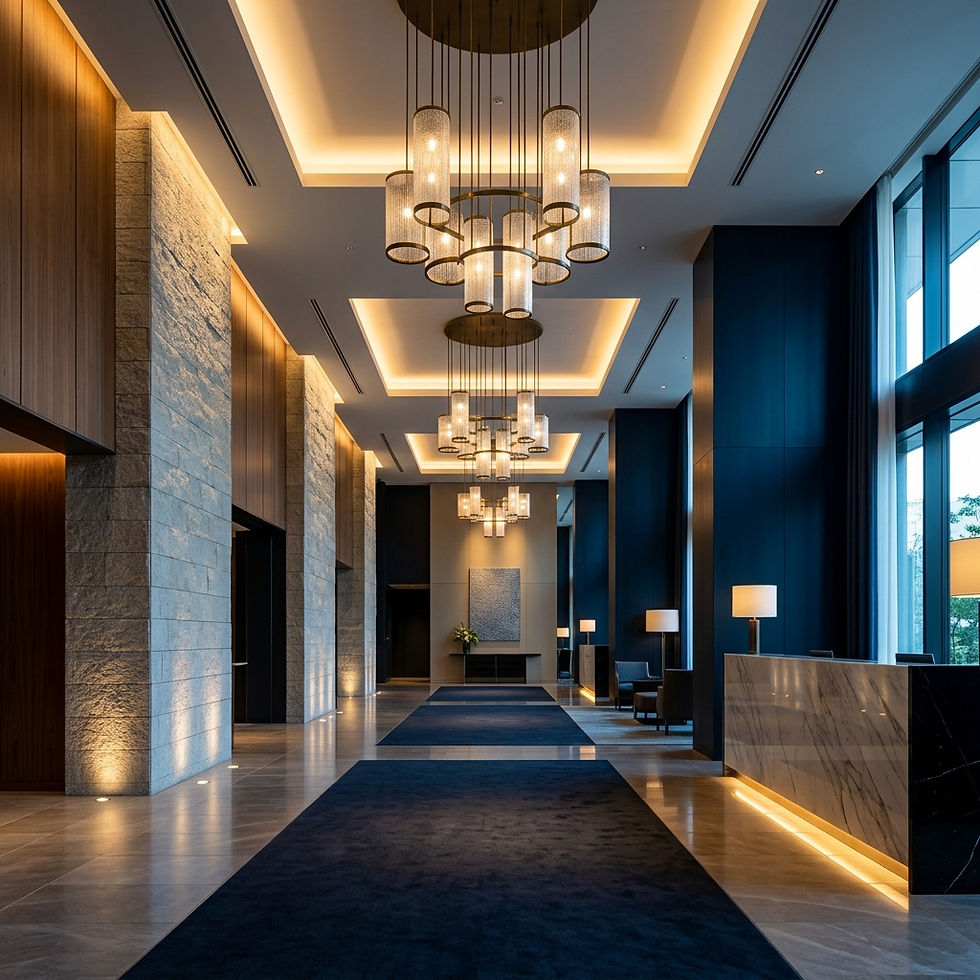
For example, in a high-end lobby, combining recessed ceiling lights with wall washers and spotlights can create a welcoming yet dramatic effect. The interplay of shadows and highlights adds depth, making the space feel larger and more luxurious.

Practical Tips for Implementing Architectural Lighting Solutions
When planning lighting for a project, it’s essential to think about the space’s function, style, and the client’s goals. Here are some actionable recommendations to keep in mind:
Start with a lighting plan: Map out the space and identify key areas that need illumination. Consider natural light sources and how they change throughout the day.
Choose the right fixtures: From recessed lights and track lighting to wall sconces and pendant lamps, select fixtures that complement the design and provide the desired effect.
Use dimmers and controls: Flexibility is key. Dimmers allow users to adjust lighting levels based on time of day or activity.
Consider energy efficiency: LED technology offers long-lasting, energy-saving options without compromising on quality.
Focus on layering: Combine ambient, task, and accent lighting to create a balanced and adaptable environment.
Pay attention to color temperature: Warmer tones (2700K-3000K) create cozy atmospheres, while cooler tones (3500K-5000K) are better for workspaces and modern aesthetics.
For instance, in a residential kitchen, under-cabinet LED strips provide excellent task lighting, while pendant lights over the island add style and focused illumination. This combination ensures both practicality and visual appeal.
What is the 5'7" Lighting Rule?
You might have heard about the 5'7" lighting rule, a handy guideline used in architectural lighting design to optimize light placement. The rule suggests that light fixtures should be installed at a height of approximately 5 feet 7 inches (about 170 cm) from the floor. This height is considered ideal because it aligns with the average eye level, ensuring that light is distributed evenly without causing glare or harsh shadows.
Why does this matter? When lights are too high, they can create unwanted shadows or fail to illuminate key areas effectively. Too low, and they might cause discomfort or obstruct views. By following the 5'7" rule, designers can achieve a natural and comfortable lighting environment that enhances both aesthetics and functionality.
Of course, this is a guideline rather than a strict rule. Adjustments may be necessary depending on ceiling height, fixture type, and the specific needs of the space. But keeping this principle in mind helps maintain balance and harmony in lighting schemes.
Integrating Architectural Lighting Design into Your Projects
Incorporating professional architectural lighting design into your projects can make a significant difference. It’s not just about choosing fixtures but about understanding how light interacts with space, materials, and human perception.
Here’s how to approach it:
Collaborate early: Engage lighting designers during the initial stages of the project to align lighting with architectural intent.
Use lighting to tell a story: Think about how light can guide visitors, highlight focal points, or create a narrative within the space.
Experiment with technology: Smart lighting controls, color-changing LEDs, and sensors can add versatility and energy savings.
Balance aesthetics and performance: Ensure that lighting enhances beauty without compromising on usability or comfort.
For example, in a luxury hotel lobby, a well-designed lighting scheme can create a memorable first impression. Soft uplighting on textured walls combined with statement chandeliers and subtle floor lighting can evoke elegance and warmth simultaneously.
Lighting Trends That Are Shaping the Future of Spaces
The world of architectural lighting solutions is constantly evolving. Staying updated with trends can inspire fresh ideas and keep your projects ahead of the curve. Here are some trends worth noting:
Human-centric lighting: Designing lighting that supports circadian rhythms to improve well-being and productivity.
Sustainability: Using eco-friendly materials and energy-efficient technologies to reduce environmental impact.
Minimalist fixtures: Sleek, unobtrusive lighting that blends seamlessly with architecture.
Dynamic lighting: Systems that adjust color and intensity throughout the day for optimal ambiance.
Integration with architecture: Lighting that is built into walls, ceilings, and furniture for a cohesive look.
Embracing these trends can help create spaces that are not only beautiful but also healthier and more sustainable.
Bringing It All Together: The Power of Thoughtful Lighting
Transforming spaces with architectural lighting solutions is both an art and a science. It requires understanding the unique qualities of each project and applying lighting principles that enhance those qualities. By focusing on layering, fixture selection, placement, and control, you can create environments that are functional, inviting, and visually stunning.
Remember, lighting is not just about visibility. It’s about creating experiences. When done well, it can elevate architecture to new heights, making spaces feel alive and inspiring.
If you’re ready to take your projects to the next level, consider how strategic lighting can unlock the full potential of your designs. The right light can truly transform a space, making it unforgettable.
Thank you for joining me on this exploration of architectural lighting solutions. I hope these insights spark new ideas and help you create spaces that shine brilliantly!
Comments