


Creating Ambiance with Hospitality Lighting Design
- Nov 10, 2025
- 4 min read
When it comes to designing spaces that leave a lasting impression, lighting plays a pivotal role. It’s not just about illumination; it’s about crafting an atmosphere that invites, comforts, and inspires. In luxury settings, every detail counts, and lighting is no exception. Today, I want to share insights on how luxury hospitality lighting concepts can transform environments, elevate experiences, and support the architectural vision behind high-end projects.
Understanding Luxury Hospitality Lighting Concepts
Luxury hospitality lighting concepts go beyond basic functionality. They focus on creating a mood that complements the design and purpose of the space. Whether it’s a boutique hotel lobby, an upscale restaurant, or a lavish spa, lighting must be carefully curated to enhance the overall ambiance.
Key elements of luxury lighting include:
Layered Lighting: Combining ambient, task, and accent lighting to add depth and dimension.
Quality Fixtures: Using high-end materials and designs that reflect the space’s style.
Color Temperature: Selecting warm or cool tones to influence mood and comfort.
Dimming Capabilities: Allowing flexibility to adjust lighting intensity throughout the day.
For example, in a hotel lobby, soft, warm ambient lighting paired with focused accent lights on artwork or architectural features can create a welcoming yet sophisticated environment. This layered approach ensures the space feels inviting without overwhelming guests.

Practical Tips for Implementing Luxury Hospitality Lighting Concepts
Implementing these concepts requires a strategic approach. Here are some practical tips to keep in mind:
Start with the Architecture: Lighting should highlight the building’s unique features. Use uplighting to emphasize columns or textured walls.
Consider the Function: Different areas have different lighting needs. Dining areas benefit from softer, intimate lighting, while reception desks require brighter, task-oriented illumination.
Use Smart Controls: Integrate dimmers and automated systems to adapt lighting based on time of day or occupancy.
Choose Fixtures Wisely: Select fixtures that complement the interior design style, whether modern, classic, or eclectic.
Incorporate Natural Light: Maximize daylight where possible and use artificial lighting to fill gaps and maintain consistency.
For instance, in a high-end restaurant, pendant lights over tables create a cozy atmosphere, while recessed ceiling lights provide general illumination. Smart controls allow staff to adjust lighting for different dining experiences, from casual lunches to romantic dinners.

The Role of Hospitality Lighting Design in Luxury Spaces
One cannot overstate the importance of professional hospitality lighting design in achieving these luxury concepts. Expert designers understand how to balance aesthetics with technical requirements, ensuring that lighting not only looks stunning but also performs efficiently.
A well-executed lighting design can:
Highlight architectural details without causing glare.
Create zones within open spaces for different activities.
Enhance safety and accessibility without compromising style.
Support energy efficiency through smart technology.
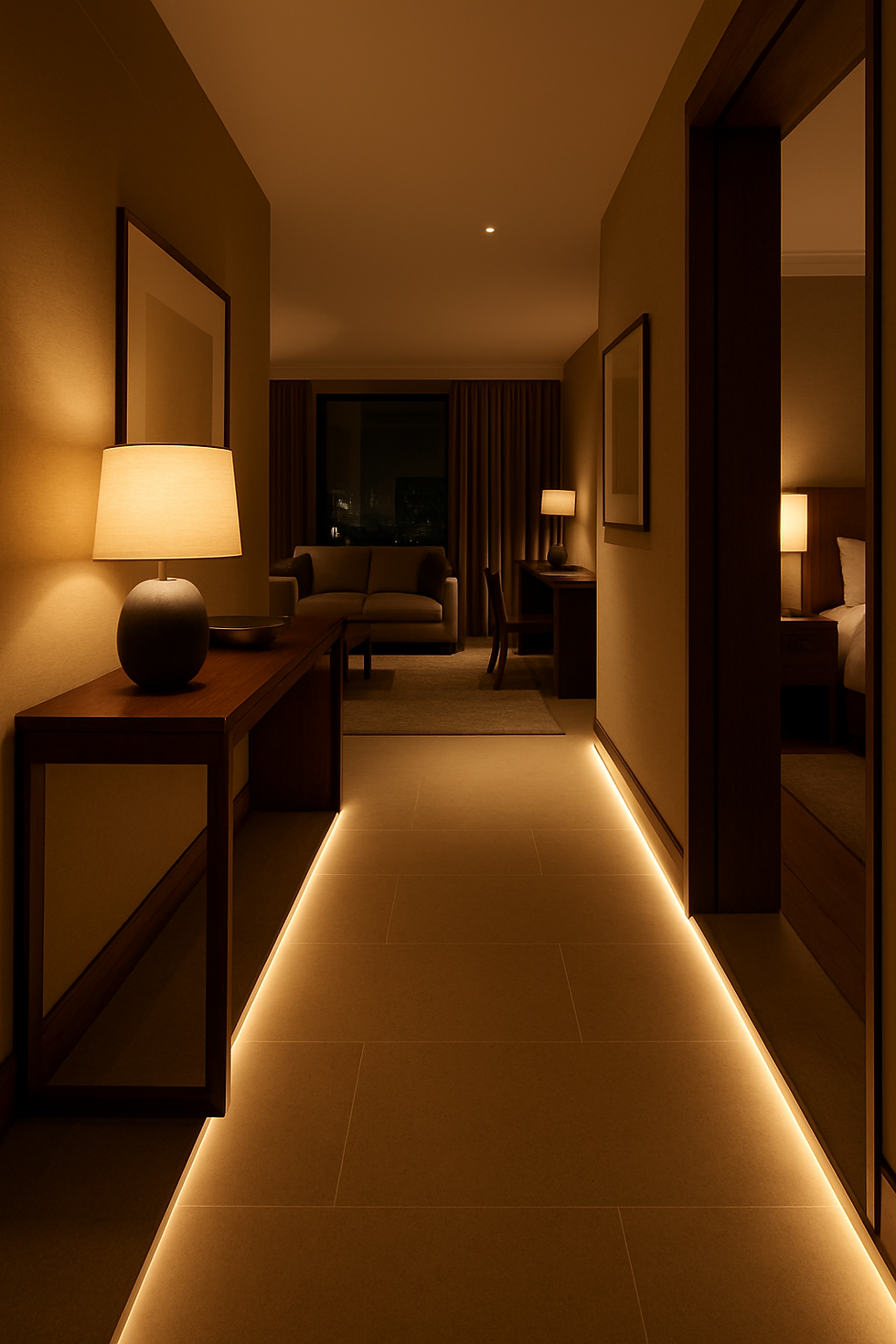
For example, in a luxury hotel suite, a lighting designer might incorporate hidden LED strips to softly illuminate pathways at night, providing safety without disturbing the guest’s rest. This subtle touch enhances the guest experience while maintaining the suite’s elegant look.
Selecting the Right Lighting Fixtures for High-End Projects
Choosing the right fixtures is crucial. Luxury projects often demand custom or designer lighting pieces that serve as focal points. Here’s what to consider:
Material and Finish: Opt for premium materials like brass, crystal, or hand-blown glass.
Design Style: Match fixtures to the overall interior theme, whether it’s minimalist, Art Deco, or contemporary.
Size and Scale: Fixtures should be proportionate to the space to avoid overpowering or underwhelming the design.
Functionality: Ensure fixtures provide the right type of light and are easy to maintain.
For example, a grand chandelier in a hotel lobby can serve as a statement piece, while sleek wall sconces in corridors provide subtle guidance and ambiance. Custom fixtures can also incorporate branding elements, adding a unique touch to the space.
Enhancing Guest Experience Through Lighting
Ultimately, the goal of luxury hospitality lighting concepts is to enhance the guest experience. Lighting influences mood, perception, and comfort. Thoughtful lighting design can:
Make spaces feel more spacious or intimate.
Highlight textures and colors to enrich visual appeal.
Support circadian rhythms by adjusting color temperature throughout the day.
Create memorable moments with dramatic lighting effects.
Consider a spa environment where soft, warm lighting promotes relaxation and calm. Or a rooftop bar where dynamic lighting changes create an energetic vibe as the evening progresses. These experiences are crafted through intentional lighting choices.
Final Thoughts on Elevating Spaces with Lighting
Lighting is a powerful tool in luxury design. When done right, it elevates spaces from ordinary to extraordinary. By embracing luxury hospitality lighting concepts, architects, interior designers, contractors, and real estate investors can create environments that captivate and delight.
If you’re aiming to deliver innovative and technically sound lighting solutions that truly enhance your projects, partnering with experts in hospitality lighting design is a smart move. Their expertise ensures your vision is realized with precision and style.
Remember, lighting is not just about visibility - it’s about creating an experience. So, let’s light up those spaces with elegance and purpose!
Comments